

Lockpicking.

Lockpicking

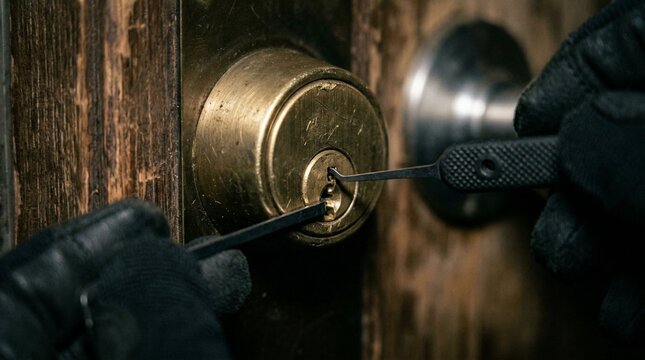
Using lockpicking as a lens to understand physical security, access control, and the hacker mindset. Lockpicking can also be a great example of how we attack systems, the implications of security controls, defense-in-depth, and mitigating single points of failure.

Rules & Legal

Lockpicking is legal but be aware of local laws around "instruments with burglarious intent." Lock picks are a TSA-approved item. As long as you are respectful, following local laws, and transparent, you should have no issue. For more: toool.us/lockpicking-laws

  • Never pick any lock you do not own or have explicit permission to pick
  • Do not use lockpicking to commit crimes or help others commit crimes
  • Do not pick locks you rely on for your own security

Why Do People Lockpick?

Lockpicking can be associated with nefarious activities, but many adopt it responsibly. We also use it as an analogy for how attackers approach systems — and why security must be thought of holistically.

  • Locksport, security researchers, emergency responders, locksmiths, puzzlers, survivalists
  • Some use it as a tactile hobby — like a fidget spinner you can actually learn from
  • Different goals: speed, completion, research, or covert bypass
  • An analogy for attacking and defending digital systems

Why Not Just Break It?

Many people immediately think brute force is the answer. But covert entry has real advantages — in both physical security and cybersecurity, being quiet is powerful.

  • Breaking things can be expensive to repair or replace
  • Visible damage alerts others that someone has been there
  • Some locks serve as integrity checks — breaking them defeats the purpose
  • The challenge and finesse of picking is its own reward for many practitioners

Security Awareness

"Security is achieved through openness." — Deviant Ollam Knowing how security can be compromised helps you and others stay safer. Exposing vulnerabilities forces companies to address security concerns and release better products. Locks are meant to delay or deter — not guarantee absolute security. The lock is just one part of the system.

  • A deadbolt on a door with a glass panel beside it — the glass is the vulnerability
  • A locked gate with a gap at the bottom — the fence line is the attack surface
  • A firewall that still allows unencrypted traffic — the rule is the hole
  • LOTO (Lockout/Tagout) locks are a safety device, not a security device — they signal equipment is off, not that it cannot be bypassed
  • Same principle applies to digital systems: one strong control means nothing if the rest are weak

Lockpicking 101: How Locks Work

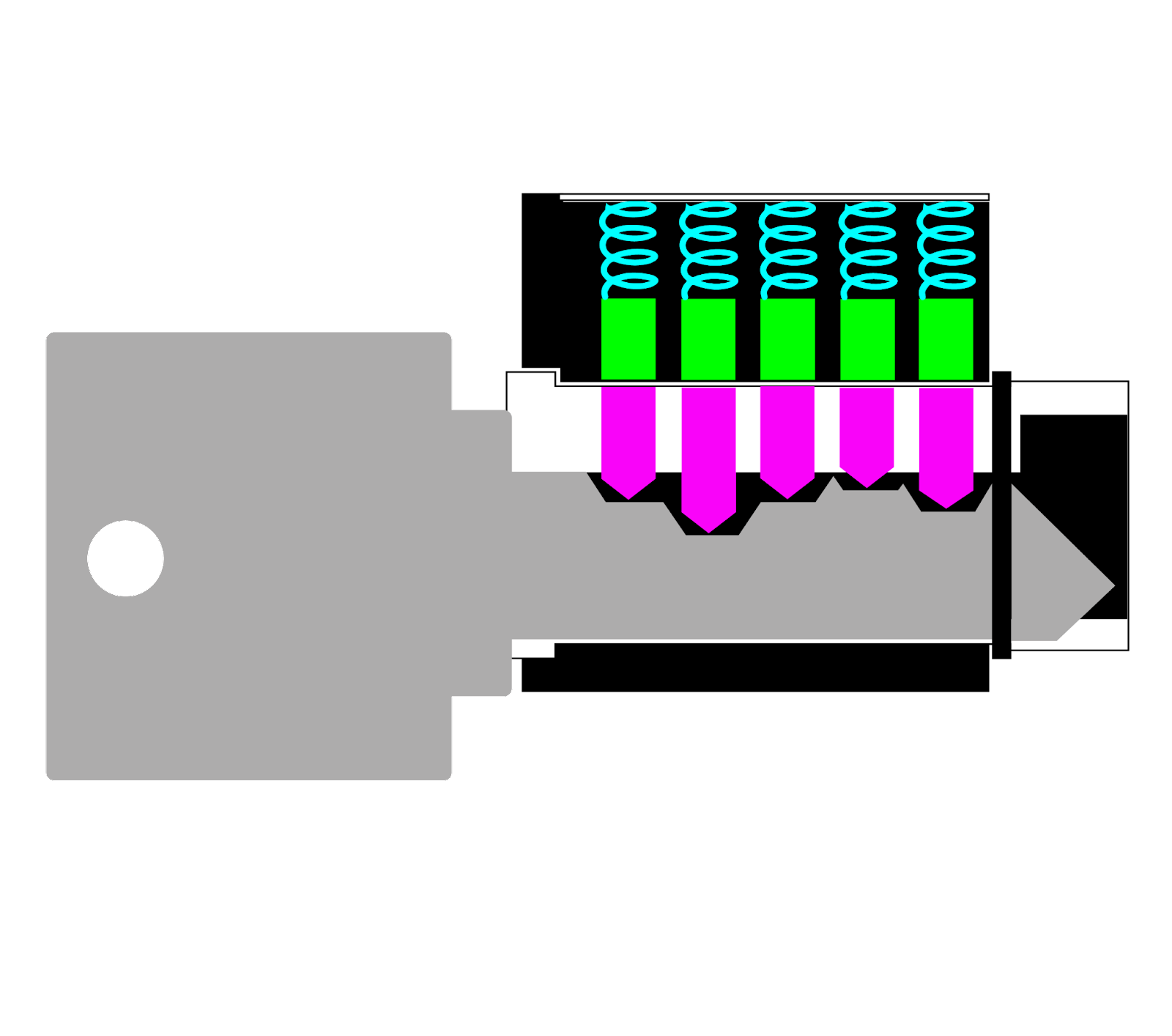
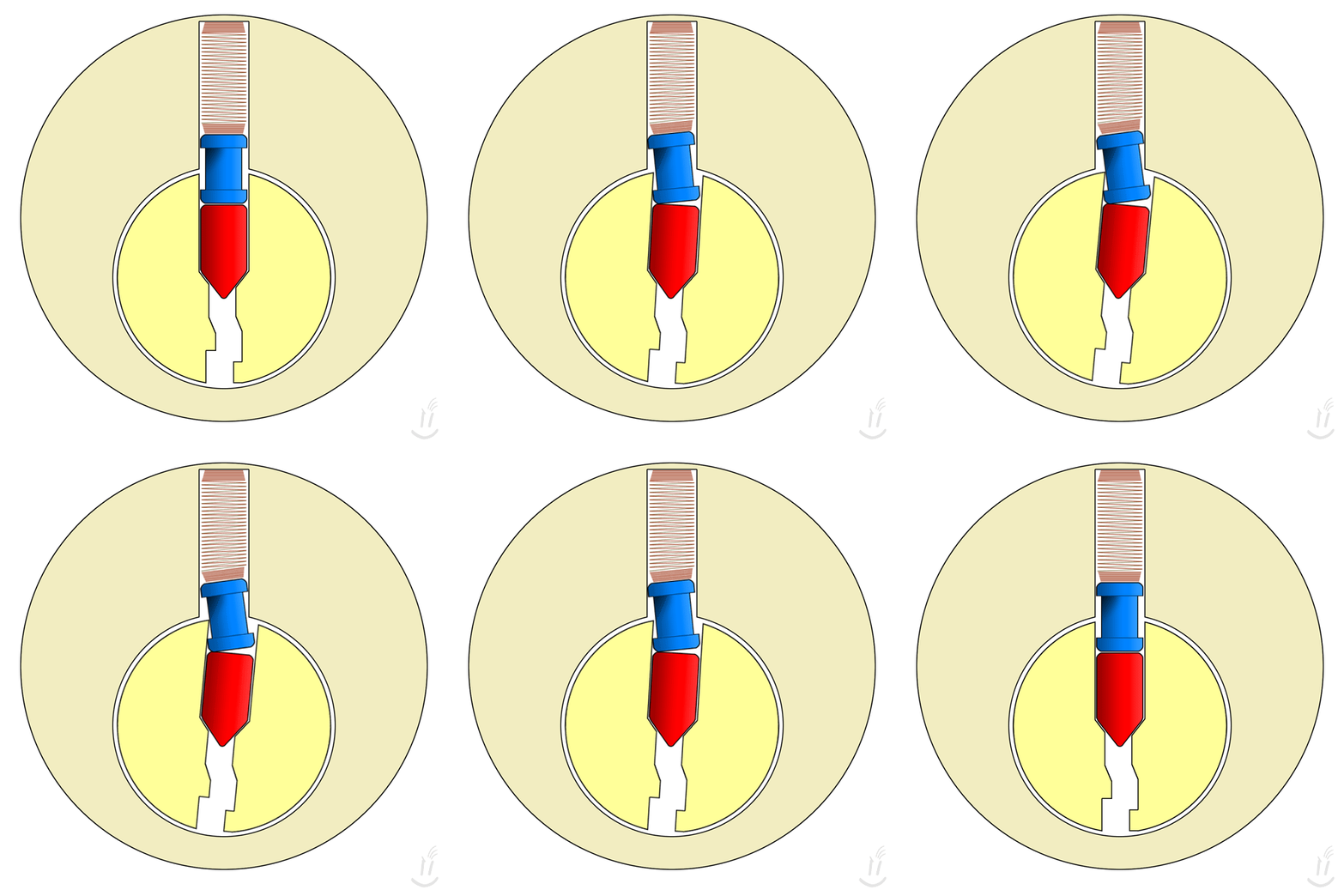
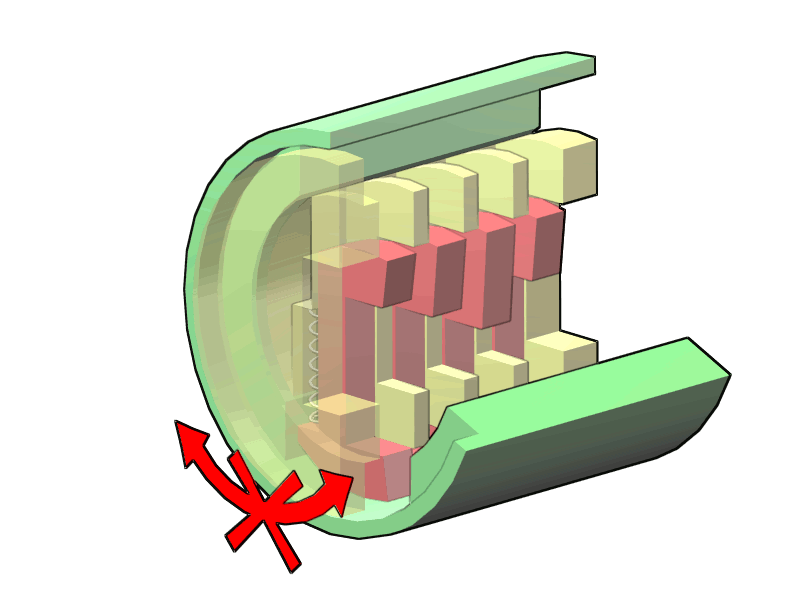
A pin tumbler lock has a central plug (core) inside a cylinder. Pin stacks are spring-loaded downward. When picking, we apply tension to the core (causing non-uniform pressure on pins), then manipulate each pin to the shear line one at a time.

  • No key inserted: top pins block the core from rotating
  • Correct key inserted: pins lift so top/bottom pins align at the shear line, core rotates freely

The Methods: Raking vs SPP

Two primary picking techniques — each suited to different locks and situations.

  • Raking: rake + tension tool — manipulates multiple pins at once, fast on cheap locks, unreliable on quality ones
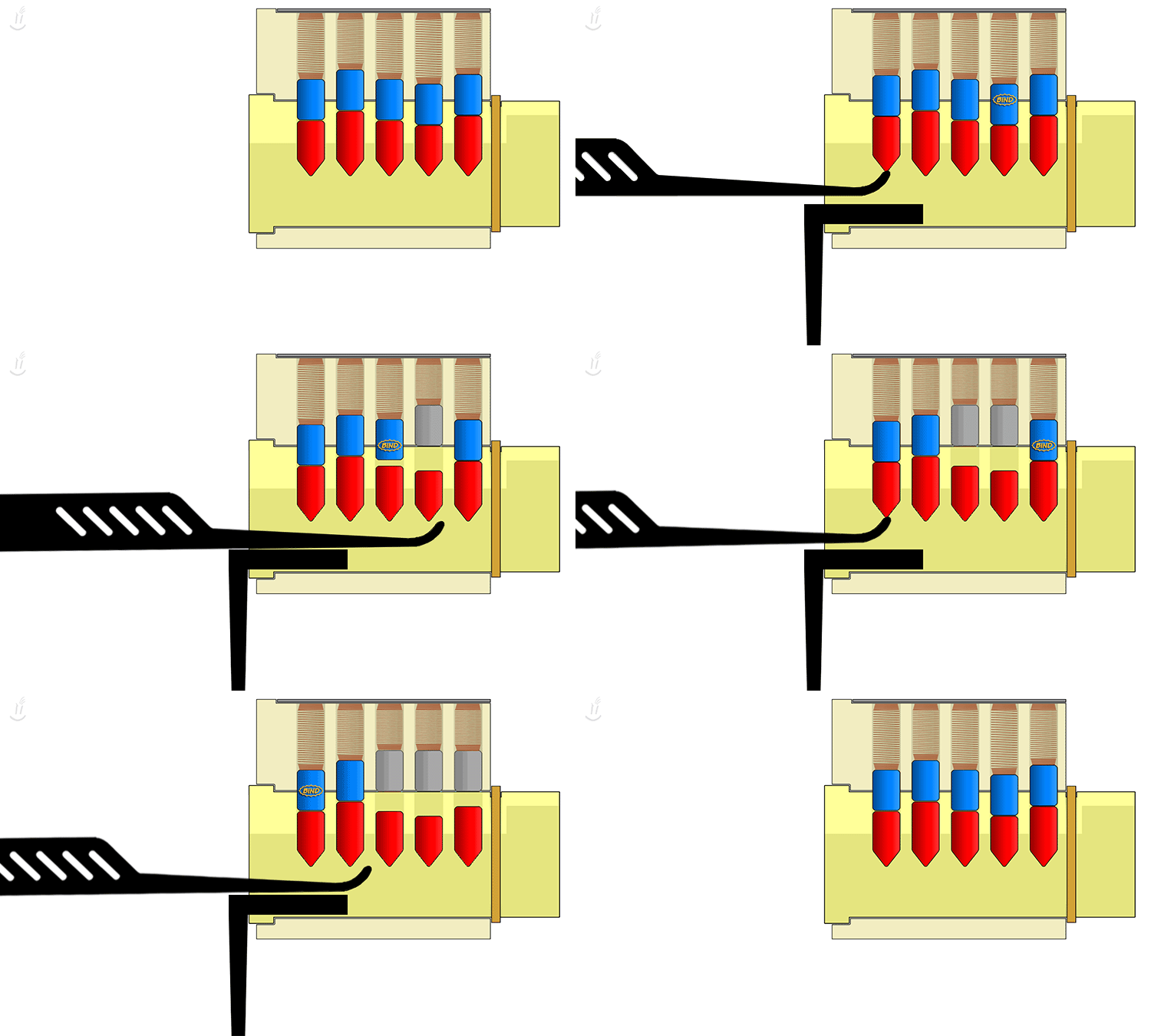
  • Single-Pin Picking (SPP): hook + tension tool — sets one pin at a time, slower but effective on any lock
  • SPP is required for high-security locks and locks with security pins
  • Raking is a good starting point; SPP is what separates beginners from skilled pickers

Raking

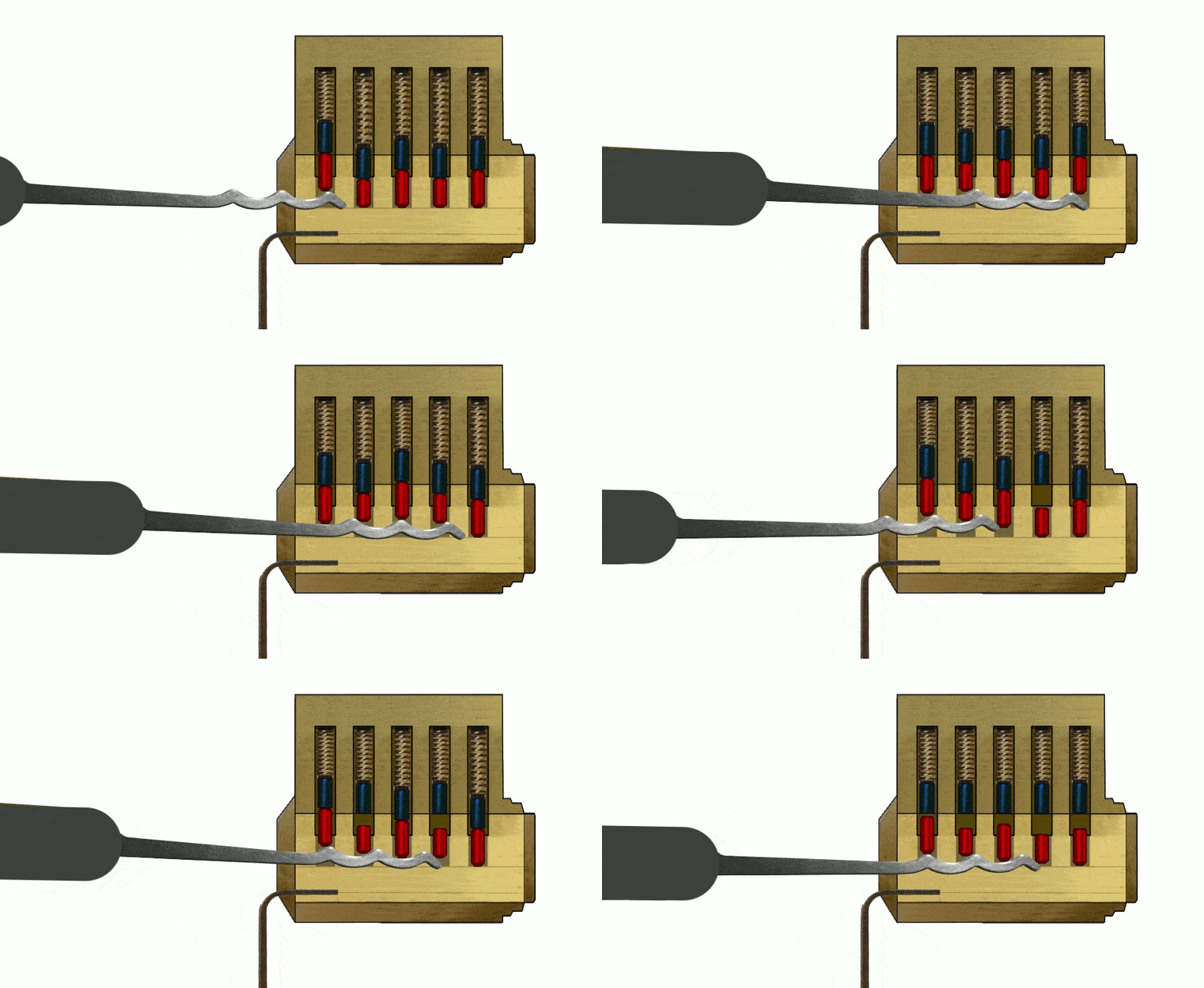
Raking is the more common approach for many when dealing with less secure and cheaper locks (e.g., most Master Locks, common deadbolts). This process uses a tension wrench/tool and a rake. The rake is used in a "brushing" motion with the "peaks" moving against the bottom of the pins.

  • Typically won't be as effective on higher security or nicer locks.
  • Can wear down the inside of the lock quickly.
  • Remember, pins move up and down. Side-to-side and twisting motions are not needed with picking (most of the time).

Tension: The Most Important Part

Tension is applied to the core in the direction it would rotate to open. This force causes pins to bind, allowing you to set them one at a time. Finding the right tension is often the most overlooked part of lockpicking.

  • Too much tension: pins cannot move at all
  • Too little tension: pins do not bind and fall back down
  • Just right: pins bind one at a time and can be set individually
  • Tension is critical for both raking and SPP. Vary your tension, and make sure too much force isn't being used.

Security Measures

There is always a back-and-forth between lock manufacturers and lockpickers. With that said, there is almost always a way to bypass security devices — for lockpickers, the more complex the lock, the bigger the challenge.

  • Security pins: spool pins, serrated pins, mushroom pins
  • Side-bars (common in high-security cylinders like Medeco and ASSA)
  • Magnetic pins
  • Bi-axial pins

Other Types of Locks

In addition to pin tumbler locks, there are many other types of locking mechanisms. These range in complexity, security levels, and cost. Each one typically has specific use cases and in many cases, have unique ways of picking them or require specialized tools.

  • Disk Detainer - Commonly used for bike locks or other high security locks
  • Safe Dials - Used for safes and combination locks
  • Wafer Locks - Seen in cabinets, drawers, other lower security use cases
  • Dimple Locks - Similar to pin tumbler but the keyway is rotated 90 degrees and typically requires a different type of pick

Beyond Picking: Other Bypasses

Picking is just one way past a lock. Many bypasses require no picking skill at all — which is exactly why security has to be layered, not just "use a better lock."

  • Bump keys: a specially cut key is struck to momentarily set all pins — works on most standard pin tumbler locks
  • Shimming: a thin metal shim slips past the shackle latch on padlocks — no picking required
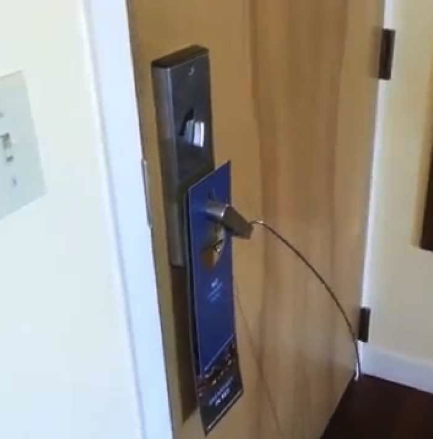
  • Under-door tools: a hook-and-lever tool can depress a door handle from under the door in seconds
  • Loiding: a credit card or thin shim can retract a spring latch on an improperly installed door
Challenges
Multiple Choice

SHOULD you pick the lock to your house, car, or utility box on the street? (yes/no)

✓ Solved!
Multiple Choice

Which lock or type of lock is meant more as a tamper-evident device rather than a security device?

✓ Solved!
Multiple Choice

What would typically be the best way to pick a high-security lock?

✓ Solved!
Multiple Choice

How many pins does a Master Lock #3 have?

✓ Solved!
Multiple Choice

What is the most accurate statement about tension when lockpicking?

✓ Solved!
Multiple Choice

What is a common type of security pin?

✓ Solved!

For More Information

TOOOL

TOOOL provides resources and events across the country. They host the Lockpicking Village at DEF CON and our local group is closely tied to the local chapter.

Visit →

Art of Lockpicking

Great resource for showing how picking works. Includes animations showing how lockpicking tools are used.

Visit →

Sparrows Lockpicks

Supplier of picks and training locks. They have supplied many of our events with picks and provided discounts to help our organization.

Visit →

The Lockpicking Lawyer

A staple in many lockpicking journeys. Great videos on picking locks, reviews of different locks, and demonstrations of bypasses.

Visit →

Lockpicking Subreddit

A great community with a ranking system by "belt." Share content, get feedback, and challenge yourself.

Visit →